
SERVICE & REPAIR
Fleet Operations Partner
Fleet Driver Academy in San Ramon, California
Practical driver training designed to build safer, more confident, and road-ready fleet professionals.
Ready to Optimize Your Fleet?
Driver Training Built for Real Roads, Not Just a Checklist
A single preventable accident can cost a business far more than the repair bill, from insurance increases to lost time and damaged trust with customers. Smooth Ops created our fleet driver training program to address that risk directly, giving drivers the skills and habits that keep vehicles, cargo, and everyone else on the road safer during every shift they work. Our curriculum blends classroom instruction with hands on evaluation, covering everything from vehicle orientation to defensive driving and accident prevention.
We train drivers all across Brentwood, Antioch, & Pittsburgh, CA, shaping our defensive driving modules around the specific hazards drivers actually encounter on local roads, job sites, and seasonal traffic. For 10 years, our instructors have combined fleet operations experience with structured training, building a program grounded in what actually happens on commercial routes rather than theory alone, and every driver leaves with a certificate and a documented performance report they can reference well after training ends.
What WE SERVE
Our Fleet Driver Academy Services
Fleet Vehicle Orientation
New drivers start by learning the specific vehicles they will operate, from controls and mirrors to blind spots and emergency equipment. This foundation reduces confusion during the first weeks on the job and builds familiarity before a driver ever leaves the lot.
Daily Vehicle Inspection
Drivers learn a structured routine for checking a vehicle before and after each shift, catching issues before they turn into breakdowns. Documentation habits taught here give fleet managers a reliable paper trail for every vehicle in daily use.
Defensive Driving
Following distance, mirror scanning, and hazard awareness form the core of a defensive approach that reduces reaction time under pressure. Drivers practice these habits in scenarios that mirror actual conditions found on local roads and job sites.
Specialty Equipment
Some fleets rely on generators, inverters, shore power, or other auxiliary systems that require specific handling knowledge beyond standard driving skills. Training on this equipment reduces mistakes and protects both the equipment and the vehicle carrying it.
Accident Prevention
Backing procedures, parking habits, and awareness around pedestrians and property address the incidents that cause the most frequent and costly claims. Drivers leave with concrete habits that reduce mirror strikes, roof strikes, and other avoidable damage.
Professional Expectations
Appearance, customer interaction, and vehicle cleanliness shape how a driver represents a business at every stop throughout the day. Training reinforces the standards that keep drivers acting as an extension of the company rather than an afterthought.
Maintenance Awareness
Recognizing when a vehicle needs immediate attention versus when it can safely continue to its next stop takes practice and clear guidelines. This module prevents drivers from either ignoring warning signs or stopping unnecessarily during an active route.
Driving Evaluation
A hands on assessment paired with a written knowledge test measures whether training actually translated into safer habits behind the wheel. Results feed into a documented report that gives owners real insight into driver readiness and remaining gaps.
What You Can Expect
Benefits of Fleet Driver Academy
Fewer Preventable Accidents
Trained drivers make fewer avoidable mistakes behind the wheel, which directly reduces the number of incidents a fleet deals with over a year. Fewer accidents mean less time dealing with claims, repairs, and the disruption that follows each one.
Lower Maintenance Expenses
Drivers who understand how to operate and inspect a vehicle properly tend to cause less wear through rough handling or missed early warning signs. That awareness translates into fewer unexpected repairs and lower costs over a vehicle's working life.
Improved Driver Confidence
New and experienced drivers alike gain a clearer sense of what is expected of them and how to handle situations that arise on the road. That confidence shows up in steadier decision making during stressful or unfamiliar conditions.
Increased Vehicle Uptime
Vehicles operated and inspected correctly spend less time out of service for avoidable damage or missed maintenance flags. More uptime means more available vehicles for routes, deliveries, and whatever work a business depends on each day.
More Consistent Onboarding
Every new driver moves through the same structured process instead of picking up habits informally from whoever happens to train them. That consistency means fewer gaps in knowledge and a more predictable standard across an entire team.
Stronger Operational Performance
Well trained drivers support smoother operations overall, from on time deliveries to fewer disruptions caused by preventable incidents or confusion. That reliability compounds over time, supporting a fleet that performs the way a business actually needs.
About Smooth Ops
Professional Driver Training Strengthens Your Entire Fleet
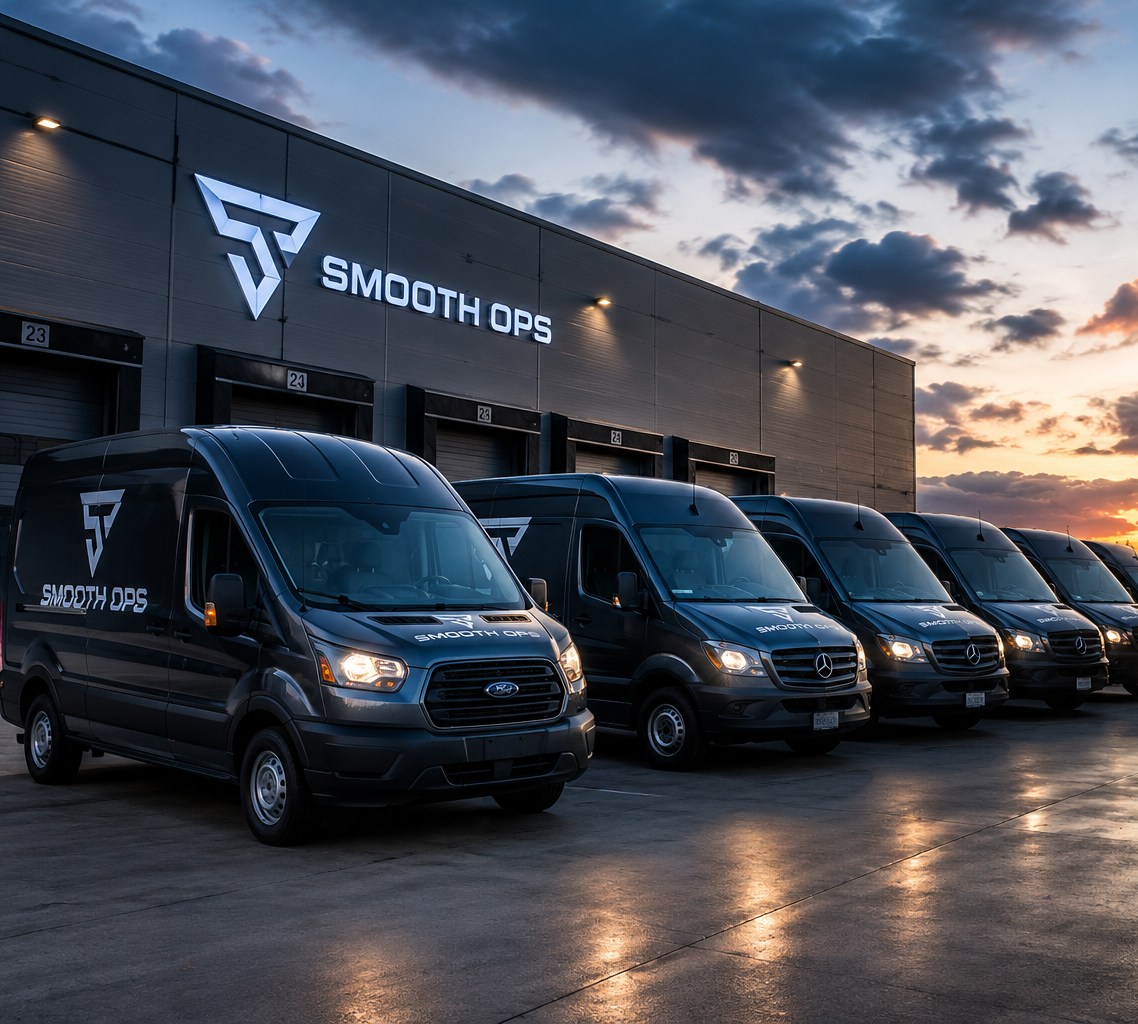
Every mile a fleet drives depends on the person behind the wheel making the right call in the moment, not just holding a license to operate a vehicle. Smooth Ops built the Fleet Driver Academy around that responsibility, training drivers all across Brentwood, Antioch, & Pittsburgh, CA to handle real road conditions instead of memorizing rules for a one time test. A well trained driver protects more than a vehicle, protecting cargo, schedules, and the reputation a business has spent years building on the road, one shift at a time.
GOOD to know
Frequently Asked Questions
Is driver training required for new commercial drivers?
Training is not always legally required, but it significantly reduces risk and gives fleet owners documented proof that drivers understand safe operating procedures. Most businesses choose to make it standard practice rather than treating it as optional.
How long does the Fleet Driver Academy program take to complete?
The Fleet Driver Academy typically runs over one to two sessions depending on a driver's experience level and the vehicles involved. Smooth Ops has spent 10 years refining that timeline for fleets across Brentwood, Antioch, & Pittsburgh, CA without disrupting schedules.
Do drivers get certified after completing training?
Yes, every driver receives a certificate of completion along with a documented evaluation report after finishing the written and practical assessments. That record gives business owners something concrete to reference for compliance or internal performance reviews.
What happens if a driver does not pass the practical evaluation?
Drivers who do not pass initially receive additional coaching on the specific areas that need improvement before retaking the evaluation. This approach focuses on actual skill development rather than simply issuing a certificate regardless of performance.
Can experienced drivers benefit from training, or is it only for new hires?
Experienced drivers benefit just as much, often using the program to refresh habits, address specific risk areas, and stay current with expectations. Training is not limited to new hires, since even skilled drivers develop habits worth revisiting.
Does completing the program help lower insurance costs for a fleet?
Insurers frequently view structured, documented driver training favorably, and fewer incidents over time can support more favorable rates for a fleet. While outcomes vary by provider, consistent training generally works in a fleet's favor over the long run.
What kind of documentation do we receive after a driver finishes training?
You receive a certificate of completion, a written assessment record, and a documented performance evaluation for every driver who finishes. Fleets throughout Brentwood, Antioch, & Pittsburgh, CA use these records for internal tracking and insurance documentation alike.
Can training be customized for specialty equipment used on certain routes?
Specialty equipment relevant to a fleet's actual work, from generators and inverters to specific auxiliary systems, can be built directly into training. Customization keeps the program relevant instead of teaching skills a driver will never actually use.
Testimonials