
SERVICE & REPAIR
Fleet Operations Partner
Preventive Maintenance Planning and Performance in San Ramon, California
Proactive maintenance planning that reduces downtime, improves vehicle performance, and extends fleet life.
Ready to Optimize Your Fleet?
Maintenance Plans Built Around How Your Fleet Actually Runs
A maintenance schedule built on a generic interval rarely matches how a fleet actually operates, and that gap is where breakdowns tend to happen. Smooth Ops builds preventive maintenance plans around each vehicle's real mileage and usage instead of a one-size interval, tracking performance over time so fleet managers can see what is working and what needs adjusting. Our years in the field give us a practical sense of how neglected maintenance actually plays out on the road, and that experience shapes every plan we build.
We work with fleets all across Brentwood, Antioch, & Pittsburgh, CA, coordinating service around each vehicle's usage pattern rather than a fixed calendar date. For 10 years, we have treated maintenance planning as an ongoing process rather than a one time setup, adjusting schedules as a fleet's routes, vehicles, and demands change over time.
What WE SERVE
Our Preventive Maintenance Planning and Performance Services
Custom Maintenance Scheduling
We build maintenance schedules around each vehicle's mileage, age, workload, and operating conditions rather than relying solely on generic calendar intervals. This approach helps fleet managers plan service when vehicles actually need attention, reducing unnecessary downtime while keeping important maintenance responsibilities organized and visible.
Performance Tracking & Reporting
We track service history, recurring repairs, mileage, maintenance intervals, and vehicle performance patterns over time. Organized reporting helps fleet managers recognize which vehicles require repeated attention, where maintenance spending is increasing, and when adjustments to existing maintenance plans may become necessary.
Mileage-Based Service Planning
We organize maintenance around the miles each vehicle actually travels, helping determine appropriate timing for fluids, filters, inspections, tires, and other routine services. Mileage-based planning creates a more accurate maintenance rhythm than applying identical intervals to vehicles operating under very different conditions.
Vehicle Maintenance History Management
We help maintain organized records showing completed services, upcoming maintenance, recurring issues, and previous repairs for individual vehicles. A complete maintenance history gives fleet managers better visibility into vehicle condition and supports more informed decisions about repairs, replacement timing, and future operating costs.
Vendor & Vehicle Coordination
We coordinate service needs between fleet managers, vehicles, technicians, repair facilities, and outside vendors. Managing these moving parts helps prevent missed appointments and communication gaps, keeping maintenance work organized while reducing the administrative effort required from the people responsible for daily fleet operations.
Maintenance Plan Reviews & Adjustments
We review maintenance plans as vehicle usage, mileage, routes, and operating demands change. Rather than treating a maintenance schedule as permanent, we adjust recommendations when performance data or service history indicates a different approach would better protect reliability, availability, and long-term fleet performance.
What You Can Expect
Benefits of Preventive Maintenance Planning and Performance
Reduced Unexpected Repairs
A maintenance plan built around actual vehicle usage helps identify service needs before neglected components become larger failures. Addressing maintenance proactively reduces the likelihood of unexpected repairs, giving fleet managers more control over when work happens and limiting disruptions caused by preventable problems.
Lower Long-Term Costs
Planned maintenance allows fleets to address smaller service needs before they develop into expensive mechanical failures. By organizing maintenance around actual usage and vehicle condition, businesses can reduce reactive repair spending while making maintenance costs more predictable across the fleet over time.
Data-Driven Fleet Decisions
Maintenance records and performance tracking provide useful information for decisions about repairs, replacements, budgets, and vehicle assignments. Instead of relying entirely on assumptions, fleet managers can use documented service history and performance patterns to understand which vehicles are creating costs and why.
Extended Vehicle Lifespan
Consistent preventive maintenance helps reduce unnecessary wear and allows developing problems to be addressed before they contribute to larger failures. Keeping vehicles maintained according to actual operating demands can help extend useful service life and delay replacement decisions when continued operation remains financially practical.
Fewer Scheduling Conflicts
Planned maintenance makes it easier to schedule service around routes, deliveries, driver availability, and vehicle demand. When fleet managers know what work is approaching, they can coordinate downtime in advance instead of dealing with unexpected repairs that remove vehicles from service without warning.
Improved Fleet Accountability
A documented maintenance plan clearly shows what has been completed, what is coming next, and which vehicles require attention. That visibility creates stronger accountability across drivers, managers, technicians, and vendors while reducing uncertainty about whether important maintenance responsibilities have been completed properly.
About Smooth Ops
Maintenance Planning That Grows With Your Fleet
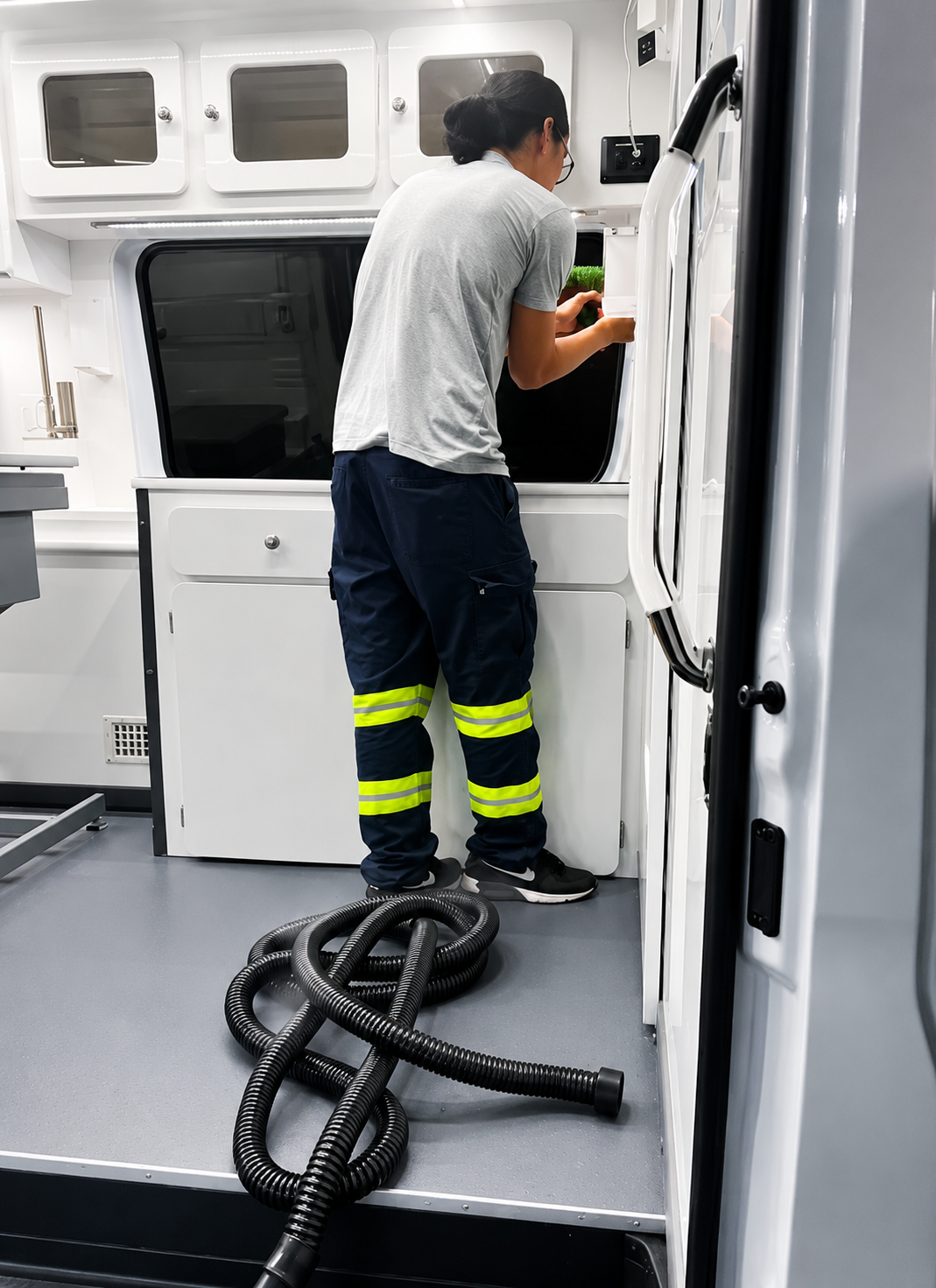
A dependable fleet does not happen by accident. It comes from consistent maintenance planning, accurate records, and regular attention to how each vehicle performs over time. Smooth Ops helps fleets across Brentwood, Antioch, & Pittsburgh, CA create maintenance programs based on mileage, usage, service history, and changing operational demands. Instead of waiting for unexpected repairs to dictate the schedule, fleet managers can plan service around actual vehicle needs and make better decisions with reliable performance information. Our 10 years of fleet experience give us a practical understanding of what neglected maintenance can cause. Better planning means fewer surprises, controlled costs, and stronger fleet reliability.
GOOD to know
Frequently Asked Questions
How is preventive maintenance planning different from following the manufacturer's schedule?
A manufacturer's schedule provides useful baseline recommendations, but actual fleet conditions can differ significantly. Mileage, route length, vehicle workload, weather, and operating conditions may require adjustments. We build maintenance planning around real usage so service intervals better reflect each vehicle's demands.
Can Smooth Ops build a maintenance plan from scratch?
Yes, we can create a maintenance plan using vehicle information, mileage, service history, operating patterns, and current maintenance needs. The goal is to establish a practical schedule that fleet managers can follow consistently while allowing adjustments as vehicle conditions and operational requirements change.
What performance information do you track in Brentwood, Antioch, & Pittsburgh, CA?
We track maintenance history, mileage, service intervals, recurring repairs, and other useful indicators of vehicle performance. Reviewing this information over time can reveal patterns that individual service visits may not show, helping fleet managers identify vehicles requiring additional attention or planning.
How often should a maintenance plan be reviewed?
Maintenance plans should be reviewed regularly rather than left unchanged indefinitely. Changes in mileage, routes, vehicle condition, workload, or recurring repairs can affect service needs. Reviewing the plan periodically allows fleet managers to make adjustments before outdated intervals create unnecessary risks.
Can you coordinate with our existing vendors?
Yes, we can coordinate with repair shops, technicians, parts providers, and other vendors already supporting your fleet. Keeping communication organized between everyone involved helps reduce missed appointments, unclear responsibilities, and scheduling problems while allowing fleet managers to maintain one clearer maintenance process.
Does preventive maintenance planning support DOT compliance?
A structured maintenance program can support compliance by helping fleets keep vehicles maintained and documentation organized. Compliance requirements vary according to vehicle type and operation, so maintenance planning should complement applicable regulations rather than replace required inspections, records, or other compliance responsibilities.
What size fleet benefits from preventive maintenance planning?
Fleets of nearly any size can benefit from organized maintenance planning, especially when multiple vehicles create overlapping service responsibilities. As fleet size grows, structured scheduling and documentation become increasingly valuable because informal tracking becomes harder to manage consistently across vehicles and drivers.
Can maintenance planning help determine when a vehicle should be replaced?
Yes, maintenance history and performance trends can help identify vehicles becoming increasingly expensive or unreliable. Reviewing repair frequency, mileage, downtime, and recurring problems gives fleet managers useful information when deciding whether continued maintenance makes sense or replacement should be considered soon.
Testimonials