
SERVICE & REPAIR
Fleet Operations Partner
Fleet Vehicle Inspections in San Ramon, California
Thorough fleet inspections that help identify issues early, improve safety, and keep vehicles road-ready.
Ready to Optimize Your Fleet?
Inspections That Catch Problems Before They Cost You a Route
A vehicle that fails inspection on paper is far cheaper to deal with than one that fails on the road in front of a customer. Smooth Ops built our fleet vehicle inspection service around that difference, giving fleet managers a structured way to catch worn brakes, low fluids, and other warning signs before they turn into a missed delivery or a tow call. Our technicians combine a towing background with hands-on inspection experience, so we know exactly what to look for because we have seen firsthand what happens when it gets missed.
We inspect fleets all across Brentwood, Antioch, & Pittsburgh, CA, building inspection routines around each vehicle's actual use rather than a generic checklist pulled from somewhere else. For 10 years, we have treated inspections as prevention rather than paperwork, and that mindset shapes every report we hand back to a fleet manager, whether it is a routine check or one that turns up something that needs attention right away.
What WE SERVE
Our Fleet Vehicle Inspection Services
Daily Pre-Trip Inspections
We perform structured pre-trip inspections covering tires, brakes, lights, fluids, warning indicators, and visible safety concerns. Each check is designed to catch small problems before a vehicle leaves the yard, helping drivers start routes with confidence and giving fleet managers clearer control over readiness.
Roadside Readiness Checks
We evaluate the systems drivers depend on once vehicles leave the yard, including tires, brakes, lights, emergency equipment, and other roadside essentials. Scheduled readiness checks identify weaknesses before they become failures, helping fleets reduce disruptions and keep vehicles prepared for demanding routes throughout operations.
DOT Compliance Inspections
We conduct inspections focused on applicable commercial vehicle requirements and help organize documentation for each inspection. Fleet managers receive clear records showing what was checked, what requires attention, and which vehicles need follow-up, making compliance management more organized and easier to maintain across operations.
Documented Inspection Reports
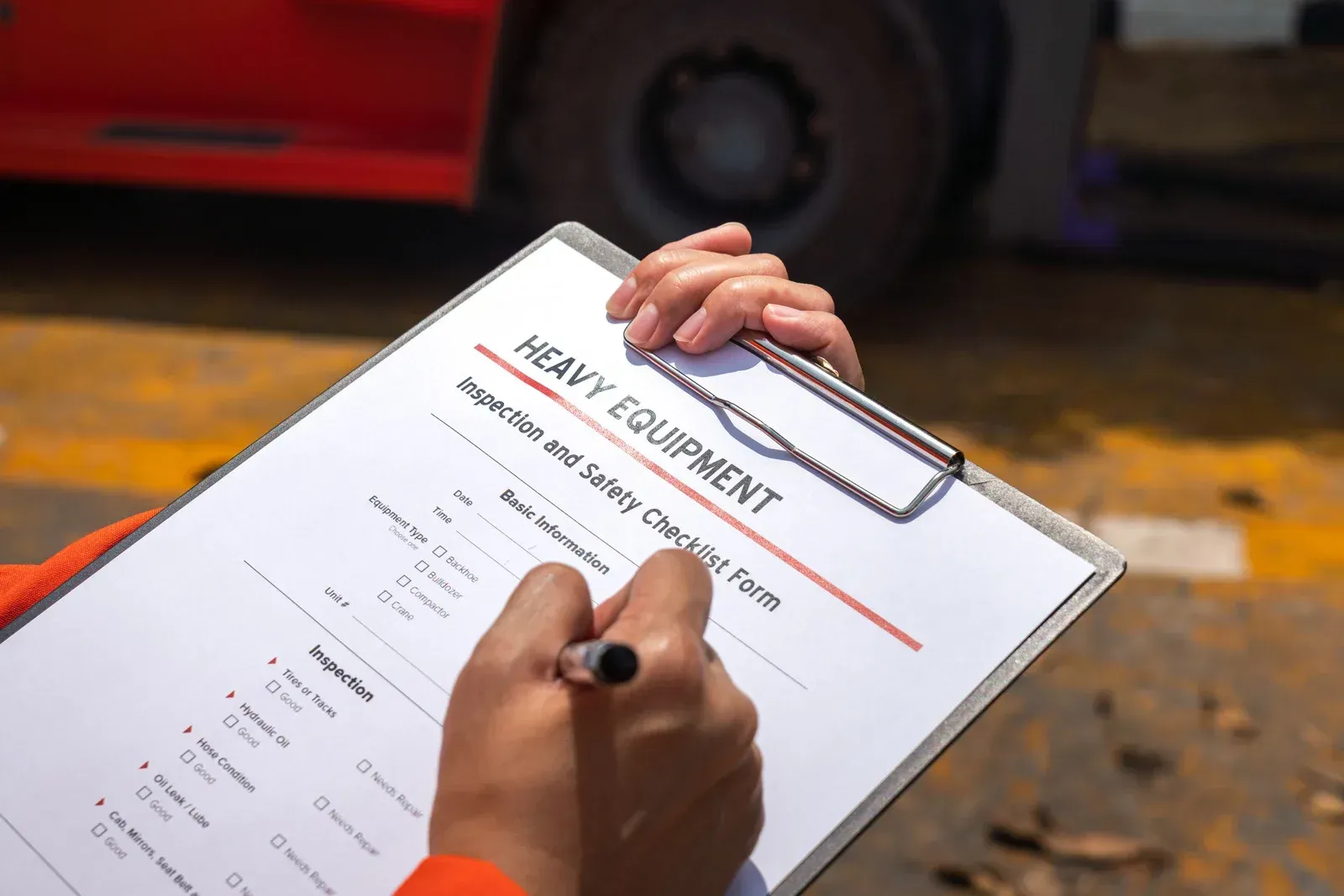
Every inspection produces a written report detailing completed checks, identified concerns, and recommended follow-up. Clear documentation gives fleet managers a reliable reference for maintenance decisions, recurring problem tracking, internal accountability, and compliance records, rather than leaving important vehicle condition information dependent on memory alone.
Fleet-Specific Inspection Programs
We create inspection routines tailored to vehicle type, mileage, route demands, and operating conditions. Instead of forcing every vehicle through the same process, we help fleet managers establish practical standards that reflect actual usage, improving inspection consistency without adding unnecessary steps or administrative work.
Inspection Findings & Follow-Up
When an inspection identifies a concern, we help prioritize findings according to urgency and operational impact. Fleet managers can distinguish immediate safety issues from items that can be scheduled later, making it easier to decide whether a vehicle should remain active or receive service.
What You Can Expect
Benefits of Fleet Vehicle Inspections
Fewer Roadside Breakdowns
Regular inspections identify worn components, low fluids, warning lights, and developing safety concerns before vehicles leave the yard. Catching these issues early reduces the likelihood of breakdowns during routes, helping drivers avoid roadside delays and keeping fleet schedules more predictable throughout busy operating periods.
Lower Repair Costs
Small mechanical concerns are generally easier and less expensive to address than failures that develop after continued use. Consistent inspections help fleets identify problems earlier, allowing maintenance teams to plan repairs before minor issues become larger, more disruptive, and potentially expensive repair events overall.
Audit-Ready Documentation
Organized inspection records give fleet managers a clear history of vehicle condition, completed checks, and identified concerns. Keeping documentation current makes compliance reviews easier, supports internal accountability, and reduces the last-minute effort required when records need to be located for an audit or review.
Extended Vehicle Life
Routine inspections help identify maintenance needs before neglected components create additional wear or contribute to larger failures. Addressing concerns consistently can support longer vehicle service life, helping fleet owners protect their investment and delay unnecessary replacement decisions while maintaining dependable vehicle performance over time.
Improved Driver Confidence
Drivers are more likely to feel comfortable operating vehicles when they know inspections are performed consistently and concerns are addressed promptly. That confidence supports better daily operations, reduces uncertainty about vehicle condition, and gives drivers a clearer sense that safety remains a fleet priority.
Predictable Fleet Uptime
A consistent inspection process reduces the number of unexpected problems competing with scheduled routes and deliveries. Fleet managers gain better visibility into vehicle condition, making it easier to plan maintenance, manage availability, and keep operations moving with fewer last-minute disruptions or unexpected scheduling changes.
About Smooth Ops
Inspections Built for Fleets That Cannot Afford Surprises
Fleet inspections are most valuable when they become part of the normal operating routine rather than an occasional task completed after a problem appears. Smooth Ops helps fleets across Brentwood, Antioch, & Pittsburgh, CA identify developing concerns, document vehicle condition, and address issues before they create roadside disruptions. From daily pre-trip checks to detailed compliance inspections, our approach gives fleet managers better visibility into the vehicles they depend on every day. With 10 years of fleet experience behind our work, we understand how quickly a small mechanical concern can become an expensive operational problem. Preventive inspections help keep vehicles ready, drivers confident, and routes moving.
GOOD to know
Frequently Asked Questions
How often should fleet vehicles be inspected?
Most fleets benefit from a quick pre-trip inspection every day, supported by thorough scheduled checks based on mileage, vehicle type, and operating conditions. The right frequency depends on usage, but consistent inspections help identify problems before they become costly roadside failures over time.
What does a fleet vehicle inspection actually cover?
Fleet inspections typically review brakes, tires, lights, fluids, warning indicators, steering, visible components, and other safety-related systems. The exact scope depends on the vehicle and inspection type. Findings are documented so fleet managers can prioritize repairs, maintenance, and follow-up actions appropriately for managers.
Can you help us build a daily pre-trip inspection routine?
Yes, we can help establish a structured pre-trip process that drivers can follow consistently. A clear routine reduces skipped checks, creates accountability, and gives drivers guidance about what to inspect before leaving. We can tailor the process to vehicle types and operating demands.
Does Smooth Ops provide written reports after inspections?
Yes, written reports document completed inspection points, identified concerns, and recommended follow-up. These records give fleet managers a reliable reference for maintenance planning, recurring issue tracking, compliance documentation, and internal accountability, while making vehicle condition easier to review over time consistently.
What happens if an inspection finds an urgent problem?
When an inspection identifies an urgent safety concern, we flag it clearly and recommend appropriate action. Depending on the issue, that may mean immediate repair, additional evaluation, or removing the vehicle from service until the problem has been addressed properly before dispatch promptly.
Can inspections help with fleet insurance requirements in Brentwood, Antioch, & Pittsburgh, CA?
Consistent inspection documentation can support stronger fleet risk management, although insurance pricing depends on the carrier, policy, claims history, and other factors. Regular inspections may reduce preventable incidents and demonstrate that a business maintains organized safety practices and takes vehicle condition seriously effectively.
Do you inspect small and large fleets?
Yes, inspection programs can be scaled for small fleets, larger operations, and changing vehicle counts. The process can be adjusted according to mileage, vehicle type, route demands, and staffing, allowing the same structured approach to remain practical as fleet requirements become more compact.
Can inspections identify recurring problems across multiple vehicles?
Yes, documented inspections can reveal recurring issues affecting multiple vehicles, such as tire wear, brake concerns, lighting problems, or fluid leaks. Reviewing inspection records together helps fleet managers identify patterns, prioritize broader maintenance needs, and address repeated problems before they affect operations.
Testimonials